The Resounding Echo of Faith: Understanding "Deus Nao Esta Morto"
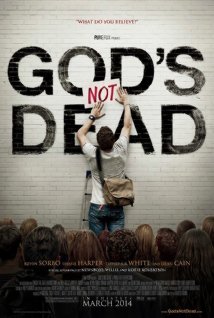
In the vibrant landscape of contemporary Christian music, few anthems resonate with the power and conviction of Fernandinho's "Deus Não Está Morto." This song, whose title translates to "God's Not Dead," is more than just a musical track; it's a declaration, a revolution, and a profound spiritual experience that has captivated millions. While the phrase "God's Not Dead" gained widespread recognition through the popular 2014 film of the same name, Fernandinho's powerful Brazilian Portuguese rendition brings its own unique energy and theological depth, particularly through the vivid imagery of a God "roaring like a lion" within the believer.
The song serves as a rallying cry, pushing back against skepticism and apathy to assert the undeniable, living presence of God. It's an affirmation that faith is not a relic of the past, but a dynamic, active force capable of sparking profound personal and collective transformation. For anyone grappling with doubt, seeking spiritual renewal, or simply looking for an expression of triumphant faith, "Deus Nao Esta Morto" provides an invigorating soundscape of hope and divine power.
From Lyrical Fire to Spiritual Revolution: Fernandinho's Vision
Fernandinho's "Deus Nao Esta Morto" is a masterclass in weaving theological truths into an electrifying musical narrative. The lyrics are not just poetic; they are prophetic, calling for a radical shift in perspective and experience.
Love Exploding, Life Igniting
The song immediately sets a tone of imminent change, proclaiming,
"O amor vai explodir e vai trazer / Vida aos mortos / Eu quero ver esta revolução" (Love will explode and bring / Life to the dead / I want to see this revolution). This isn't a passive observation but an active desire for a divine intervention – an outpouring of love so potent it can resurrect what is spiritually lifeless. It speaks to a yearning for a global spiritual awakening, a revolution ignited by the very essence of God: His boundless love. This concept of love as an explosive, life-giving force is foundational to Christian belief, echoing biblical passages about divine love's transformative power. It challenges believers to not only believe in this love but to expect its manifest presence, bringing revival to stagnant hearts and dormant communities.
The Roaring Lion Within
Perhaps the most iconic and powerful imagery in "Deus Nao Esta Morto" is the repeated declaration:
"Meu Deus não está morto, vivo Ele está / Aqui dentro de mim / Rugindo como um leão" (My God is not dead, He is alive / Here within me / Roaring like a lion). This vivid metaphor elevates the concept of God's presence from a quiet whisper to a thunderous roar. The lion, a symbol of power, royalty, and majesty in many cultures, and specifically the "Lion of Judah" in Christian scripture, represents God's sovereignty and strength.
To say God is "roaring like a lion" within the believer signifies several profound truths:
- Active Presence: God isn't distant or passive; He is actively present, full of vitality and power.
- Authority and Dominion: The roar asserts divine authority over circumstances, fear, and darkness.
- Courage and Empowerment: It implies that believers carry this same divine power and courage within them, empowering them to face the world's challenges.
- Spiritual Warfare: The roar can be seen as a sound that scatters spiritual enemies, fulfilling the line "A esperança cresce, as trevas fugirão" (Hope grows, darkness will flee).
This internal roar transforms personal faith into an experience of divine partnership, where God’s power is not just external but deeply integrated into one's being.
Overcoming Doubt: A Call for Resurrection
Fernandinho doesn't shy away from the struggles of faith. The poignant line,
"Minha fé está morta / Eu necessito de ressurreição" (My faith is dead / I need resurrection), acknowledges a very human experience. There are times when faith falters, feels cold, or seems to have lost its vitality. This honest confession makes the subsequent declaration of God's living presence even more impactful. It's a journey from spiritual desolation to renewed hope, a testament to the fact that even when human faith wanes, God remains vibrantly alive and capable of breathing new life into a dying spirit. This is where the concept of being
"perdido em Tua liberdade" (lost in Your freedom) comes into play, suggesting that true freedom is found in complete surrender to God's will, which in turn empowers one to overcome the world.
"Deus Nao Esta Morto" on Screen: The Battle for Belief
While Fernandinho's song offers a spiritual and emotional journey, the film "God's Not Dead" provides a narrative framework for the intellectual and existential battle implied by the title. The movie follows Josh Wheaton, a devout Christian college student, who is challenged by his philosophy professor, the arrogant atheist Professor Radisson, to disprove God's existence or face a failing grade.
This cinematic portrayal gives a tangible face to the struggles faced by believers in an increasingly secular world, particularly within academic environments. Josh's unwavering commitment to his faith, even when it costs him personal relationships and academic standing, mirrors the song's declaration of a God "alive within." His efforts to articulate and defend his belief become a modern-day example of allowing the "roaring lion" within to speak truth to power.
The film underscores that "Deus Nao Esta Morto" is not just an emotional assertion but a proposition worth defending intellectually. It encourages believers to engage with skepticism, equip themselves with knowledge, and stand firm in their convictions. For a deeper dive into this cinematic struggle, explore
God's Not Dead: The Campus Battle to Prove God's Existence. The movie serves as a powerful reminder that the fight for faith is often fought in the arenas of ideas and evidence, just as much as in the heart.
The Sound of Revival: Sky Roaring, Earth Trembling
The climax of "Deus Nao Esta Morto" crescendos into an apocalyptic vision of revival:
"O céu vai rugir / E o fogo cair / O chão vai tremer / Com o som do avivamento" (The sky will roar / And the fire will fall / The ground will tremble / With the sound of revival). This imagery evokes biblical scenes of divine manifestation – Sinai, Pentecost, and prophecies of end-time awakening.
This isn't just a quiet spiritual renewal; it's a cataclysmic, undeniable demonstration of God's power.
- The Sky Roaring: Echoes the divine voice, signaling God's unmistakable presence and declaration of His will.
- The Fire Falling: Symbolizes the Holy Spirit's purifying power, divine judgment, and transformative energy. It speaks of passion, zeal, and a consuming presence that burns away impurities.
- The Ground Trembling: Represents the profound impact of this divine encounter, shaking foundations, breaking chains, and resetting the spiritual landscape. It signifies a radical shift, an undeniable change that impacts everyone and everything.
The "sound of revival" suggests an audible, tangible manifestation of God's movement – a collective experience of spiritual awakening that cannot be ignored. It's a call to anticipate and participate in a powerful move of God, one that brings both personal transformation and societal change.
Practical Tips for Fostering Personal Revival
The longing for revival is universal among those who desire a deeper connection with the divine. Here are a few ways to cultivate this "sound of avivamento" in your own life:
- Intensify Your Worship: Engage with worship music like "Deus Nao Esta Morto" intentionally. Let the lyrics penetrate your spirit and ignite your passion.
- Seek God Through Scripture: Immerse yourself in the Bible. Allow God's word to speak directly to your "dead faith" and bring resurrection.
- Embrace Prayer and Fasting: Dedicated time in prayer, perhaps coupled with fasting, can break spiritual barriers and open channels for divine encounter.
- Community and Fellowship: Connect with a community of believers who are also hungry for revival. Shared faith and prayer can amplify spiritual momentum.
- Active Surrender: Regularly surrender your will, fears, and doubts to God, aligning yourself with His "freedom" so you can truly overcome the world.
Living Out "Deus Nao Esta Morto" in Your Daily Life
The enduring message of "Deus Nao Esta Morto" transcends concert halls and movie screens. It’s a call to live with a vibrant, unyielding faith in every aspect of life. Whether you're a student facing academic skepticism, a professional navigating ethical dilemmas, or simply a person seeking meaning in a chaotic world, the truth that God is alive and active is a powerful foundation.
Embrace the roaring lion within you. Let God's dynamic presence empower you to:
- Speak Truth Boldly: Like Josh Wheaton, be prepared to articulate your faith with conviction and grace, even when challenged.
- Live Authentically: Let your actions reflect the transformative power of God's love, demonstrating that your faith is real and impactful.
- Cultivate Hope: In a world often clouded by despair, be a beacon of hope, reminding yourself and others that darkness will indeed flee.
- Seek Revival Continually: Don't settle for lukewarm faith. Continually pursue a deeper, more passionate relationship with God, anticipating His explosive love and the sound of true revival.
The journey from intellectual challenge to spiritual awakening is a profound one, explored further in
From Atheist Challenge to Revival: The Enduring Message of God's Not Dead.
Conclusion
"Deus Nao Esta Morto" is more than just a song; it's a movement, a declaration of unwavering faith that continues to inspire and empower. Through Fernandinho's impassioned lyrics and the compelling narrative of the "God's Not Dead" film, millions have been reminded of a fundamental truth: God is not a distant, silent deity, but a living, active, and roaring presence within the hearts of believers. This powerful anthem encourages us to not only believe in a living God but to experience His transformative love, cultivate an unshakeable hope, and anticipate the profound, earth-shaking revival that His presence brings. It's a clarion call to live boldly, knowing that our God is truly alive, powerful, and actively at work in the world.