God's Not Dead: The Campus Battle to Prove God's Existence
In an era increasingly marked by secularism and academic skepticism, the declaration "God's Not Dead" resonates with a powerful, defiant hope for millions. Far more than just a catchy phrase, it represents a profound spiritual movement, a series of films, and an anthem of unwavering faith against intellectual challenges. At its heart lies the conviction that a living God is actively present, even when His existence is questioned in the most rigorous of academic environments. The Portuguese equivalent,
Deus Nao Esta Morto, carries the same potent message, echoing through music and cultural discourse as a rallying cry for believers. This article delves into the core of this phenomenon, exploring the campus battles, the spiritual awakening it inspires, and the enduring message that God is indeed alive and roaring within His followers.
The Academic Gauntlet: Challenging Belief in the Modern University
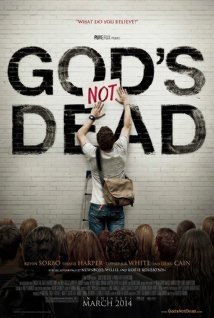
The central narrative of the *God's Not Dead* film series vividly portrays the intellectual battleground that modern universities can become for students of faith. The first film introduces us to Josh Wheaton, a devout college student whose faith is immediately tested in an introductory philosophy class. His professor, the formidable and overtly atheist Dr. Radisson, demands that students sign a declaration stating "God is Dead" to pass his course. Wheaton's refusal sets in motion a high-stakes academic challenge: he must, before the entire class, defend and prove the existence of God using philosophical and scientific arguments, or face the consequences of failing the class and potentially jeopardizing his academic future.
This cinematic portrayal highlights a real tension experienced by many students entering higher education. Universities, often seen as bastions of critical thinking and scientific inquiry, can sometimes present an environment where religious faith is minimized, scrutinized, or even dismissed as irrational. The professor's challenge isn't just an abstract debate; it's a deeply personal one that forces Josh to confront his beliefs head-on, not just in his heart, but with his intellect. The film masterfully illustrates the personal sacrifices involved, showing how both Josh and the professor are willing to distance themselves from important relationships in their pursuit of defending their respective viewpoints. It’s a compelling look at the courage it takes to stand firm in one's convictions, especially when those convictions are unpopular or subject to intense academic scrutiny.
Deus Nao Esta Morto: A Roar of Resurrection and Revival
Beyond the intellectual debates of the campus, the phrase "God's Not Dead" ignites a fervent spiritual message, powerfully encapsulated in the song
Deus Nao Esta Morto by Fernandinho. The lyrics transcend mere argument, moving into a declaration of an active, living God. The song is a powerful testament to an explosive love that brings "vida aos mortos" (life to the dead) and a yearning for revolution. It speaks of a profound personal conviction: "Meu Deus não está morto, vivo Ele está / Aqui dentro de mim / Rugindo como um leão" – *My God is not dead, He is alive within me, roaring like a lion.*
This imagery of a God "roaring like a lion" is incredibly potent. It signifies strength, sovereignty, majesty, and an undeniable presence. It's not a quiet, contemplative faith, but an active, dynamic force within the believer. The song speaks of hope growing, darkness fleeing, and a world to be overcome through a sense of divine freedom. It acknowledges moments of spiritual stagnation ("Minha fé está morta / Eu necessito de ressurreição" – *My faith is dead / I need resurrection*), yet immediately counters with the triumphant affirmation that God is alive and active, ready to bring about renewal. This profound spiritual awakening is a cornerstone of the entire "God's Not Dead" movement, emphasizing that faith isn't just about intellectual assent, but a transformative, living relationship. To understand more about the vibrant message embedded in Fernandinho's powerful anthem, delve into
Deus Não Está Morto: Fernandinho's Roaring Lion of Faith & Revival.
Beyond the Screen: The Enduring Impact and Practical Faith
The cultural phenomenon surrounding "God's Not Dead" extends far beyond the confines of a single film or song. It represents a broader movement challenging the prevailing narratives that seek to marginalize faith in public discourse. The success of the movies, alongside the widespread popularity of songs like
Deus Nao Esta Morto, demonstrates a significant hunger for content that affirms and celebrates Christian belief in a world often depicted as hostile to it.
For individuals, especially students, facing similar pressures or intellectual challenges to their faith, the message offers both inspiration and practical guidance. Here are some insights and actionable advice:
*
Arm Yourself Intellectually: Just as Josh Wheaton had to present evidence, believers are encouraged to study apologetics, philosophy, and the historical foundations of their faith. Understanding the arguments for God's existence and the coherence of biblical narratives is crucial. Books, lectures, and online resources abound for those seeking to deepen their intellectual understanding.
*
Cultivate a Roaring Faith: The "lion roaring" metaphor is not just about defending belief, but about living it passionately. This involves consistent prayer, engagement with scripture, and active participation in a faith community. A vibrant personal relationship with God provides an unshakable foundation when external challenges arise.
*
Seek Community and Mentorship: Josh Wheaton eventually found support from other believers. No one should face these battles alone. Connecting with campus ministry groups, faith-based organizations, or mature mentors can provide encouragement, intellectual sparring partners, and emotional support.
*
Embrace the "Avivamento": The song speaks of "o som do avivamento" (the sound of revival) – where the sky roars, fire falls, and the ground trembles. This signifies a personal and collective spiritual awakening. Actively seeking moments of spiritual renewal, whether through worship, retreats, or personal reflection, can reignite a dormant faith.
*
Live Your Convictions Authentically: Beyond debate, the most powerful testimony is a life lived in accordance with one's faith. Integrity, compassion, and a commitment to justice can speak volumes, even in the most skeptical environments.
The "God's Not Dead" narrative serves as a powerful reminder that faith is not merely a relic of the past but a living, breathing force that continues to shape lives and cultures. It encourages believers to stand firm, engage thoughtfully, and experience the transformative power of a God who is unequivocally alive. From the initial atheist challenge to a global message of revival, the enduring strength of this declaration continues to resonate. Explore the full journey in
From Atheist Challenge to Revival: The Enduring Message of God's Not Dead.
In conclusion, the "God's Not Dead" phenomenon, with its cinematic drama and anthemic declarations like
Deus Nao Esta Morto, beautifully captures the tension and triumph of faith in the modern world. It is a clarion call for believers to not shy away from intellectual scrutiny but to engage with conviction, drawing strength from a God who is not distant or inert, but vibrantly alive, roaring within the hearts of those who believe, ready to ignite a revolution of love and spiritual awakening.